Futura News

Home > News
donacion-de-ovulos-tu-vientre-modifica-los-genes-de-tu-bebe
News

Egg donation: your womb changes your baby´s genes

A mother carrying a baby in her womb alters its genes, even when the egg comes from another woman. This means her child will be born with traits similar to hers, according to a study by the Valencia Infertility Institute Foundation (IVI). How does the maternal uterus influence the genes of a donated embryo? The uterus is much more than a container: during gestation there is constant dialogue between embryo and endometrium. Endometrial fluid exosomes release maternal RNA that reaches the embryonic nucleus and regulates gene expression, adjusting physical and health traits. Studies such as “The Marvelous Science of Egg Donation: Beyond Genes” explain this in detail. Electron microscope of an exosome about to adhere to the endometrium (IVI). For nine months, the embryo receives blood, nutrients, and oxygen through the umbilical cord. These biochemical signals vary according to the gestational carrier’s genetics, habits, and lifestyle, reinforcing that egg donation is only the starting point. It is the uterus that shapes and “signs” the DNA that will guide the baby’s development. What epigenetic changes can gestation cause in egg donation? During gestation, epigenetic interaction can influence: Eye color and shape Hair texture and tone Facial expressions, such as the smile Predisposition to certain metabolic or autoimmune diseases These modifications do not replace the donated genetics but regulate the activation or silencing of specific genes. To learn more, see “The Revolutionary World of Fertility and Egg Donation”. How does genetic exchange occur between embryo and endometrium? Exosome releasing maternal RNA into the cytoplasm of a blastocyst (IVI). Exosomes, 50–150 nm vesicles, transport maternal RNA to the blastocyst’s cytoplasm and adjust gene transcription. The result is a unique epigenetic profile that combines the donor’s inheritance and the carrier’s influence. Why is egg donation a great opportunity? Rocío, 52, had her two babies via egg donation at Ingenes. The egg donation experience lets you carry and give birth to a child with a unique maternal genetic imprint. Avoid self-medication and always consult a Assisted Reproduction specialist before starting any fertility treatment. Frequently Asked Questions about egg donation and uterine genetics 1. Does the gestational mother contribute DNA if the eggs are from another person? Yes. Although the main genetic load comes from the donor, during gestation the uterus releases exosomes with RNA that modulate the embryo’s gene expression, influencing physical traits and future health. 2. What risks or benefits does this genetic interaction have? Benefits include better embryo adaptation to the uterine environment and higher implantation rates. As for risks, long-term impact is still under study: so far there is no evidence of adverse effects, but specialized prenatal follow-up is recommended. 3. Can it influence the baby’s temperament? Personality arises from genetics and environment. Egg donation and uterine influence affect physical traits and biochemical predispositions, but parenting style and the postnatal environment are key to the child’s character. 4. How to choose the best clinic for egg donation? Choose centers with international accreditations, multidisciplinary teams, and evidence-based protocols. Review their success rates, lab technology, and psychological support offered before and after birth. Sources Vilella F. et al. (2015). Hsa-miR-30d, secreted by the human endometrium, is taken up by the pre-implantation embryo and might modify its transcriptome. Development, 142(18), 3210–3221. MedlinePlus. (2023). Assisted Reproductive Technology. U.S. National Library of Medicine. Gardiner K. et al. (2020). Epigenetic modifications during pregnancy: maternal-fetal interactions. Journal of Reproductive Immunology, 138, 103-110. Mor & Cardenas. (2018). The immune system in pregnancy: a unique complexity. American Journal of Reproductive Immunology, 79(3), e12847. We are with you on this journey. If you have questions or are considering egg donation, consult an Assisted Reproduction specialist for the best guidance and support.

Read More »
selena-gomez-reveals-that-she-may-not-be-able-to-get-pregnant
News

Selena Gomez on Motherhood

On November 4, the documentary “My Mind & Me” by Selena Gomez premiered, where she shares key moments of her life, focusing on her mental health and some of the physical conditions she faces. Selena Gomez and her dream of becoming a mother: challenges with bipolar medication Selena confessed that one of her greatest desires is to become a mother. However, some treatments for bipolar disorder can increase the risk of neural tube defects, cardiac or neurobehavioral issues in the fetus, making a natural and healthy pregnancy more complex. Assisted reproduction options for those on psychiatric medication Thanks to advances in assisted reproduction, it is possible to plan a pregnancy safely. In vitro fertilization (IVF) with preimplantation genetic testing (PGT) allows the selection of embryos without anomalies. And if a direct pregnancy poses a high risk, surrogacy is a solution: another woman carries the baby and, once born, the intended parents receive it. How the Ingenes Initial Program helps At Ingenes we design tailored plans, adjusting medication doses, recommending healthy lifestyle habits, and providing close monitoring. We use evidence-based protocols (for example, 150–300 IU/day of FSH and embryo culture in 5–6 mL of medium) along with continuous emotional support. Do not self-medicate: always consult a reproductive specialist before starting any treatment. Many women, like Selena, have had successful pregnancies under our care. Schedule an appointment and discover your ideal path to motherhood. Frequently Asked Questions 1. Why do bipolar disorder medications affect fertility? They can alter hormonal function, interfere with ovulation, and increase the risk of malformations. A specialist can adjust doses, propose cryopreservation, or recommend IVF with PGT to reduce risks. 2. Can I become pregnant if I have bipolar disorder? Yes. With planning—coordination between a psychiatrist and fertility expert, medication adjustments, hormone monitoring (LH, FSH), and frequent ultrasounds—a pregnancy can be safe for you and your baby. 3. When is surrogacy useful? When the risks to the mother are very high. An altruistic gestational carrier carries the pregnancy, using protocols like the transfer of 1–2 embryos (quality ≥ BB) with estrogens (6 mg/day) and progesterone (600 mg/day) for optimal implantation. 4. What results does the Ingenes Initial Program offer? We combine diagnosis, serial ultrasounds, and hormonal adjustments (FSH, LH) to achieve pregnancy rates ≥ 60% in women under 35 and ≥ 50% in women over 35. Our comprehensive approach includes constant emotional and nutritional support. Sources ACOG. Practice Bulletin No. 214. Obstetrics & Gynecology, 138(2), e1–e20 (2021). MedlinePlus. Bipolar Disorder and Pregnancy. U.S. National Library of Medicine (2022). Royal College of Psychiatrists. Bipolar disorder: management during pregnancy and postpartum. Br J Psychiatry, 217(1), 25–32 (2020). SART. Fertility Clinic Success Rates (2021). Remember: every case is unique. Keep hope alive and always seek the guidance of an assisted reproduction specialist to accompany you on this journey.

Read More »
Research

Clarix detects genetic anomalies in your baby

We know that as maternal age increases, the probability of the baby having a genetic anomaly also rises. The following chart shows the estimated risk of Down syndrome by the mother’s age: What is Clarix and what is it for? Clarix is a noninvasive prenatal genetic test that analyzes your baby’s health and tells you its sex from week 10 of pregnancy. It works the same whether your pregnancy was natural or via assisted reproduction. At Ingenes we perform this test with no risk to you or your baby. With just 10 mL of your blood, we obtain cell-free fetal DNA and achieve 99% accuracy. How does the Clarix test work step by step? We draw 10 mL of maternal peripheral blood. We isolate and sequence the cell-free fetal DNA. We detect the most common aneuploidies (trisomy 21, 18, and 13). We provide you with a report showing results and 99% accuracy. Who is Clarix recommended for and when to take it? Learn Marisol’s story, who got pregnant despite PCOS. Clarix is ideal for: Pregnant women (natural or after assisted reproduction). Those aged 35 or older with higher risk of chromosomal anomalies. Those who want to know fetal sex from week 10. Patients who did not undergo PGT-A during their treatment. In what formats is the Clarix test offered? Contact us and we will create your personalized plan so you feel confident about your baby’s health. Also learn about PGT-A for extra peace of mind. Importance of early genetic diagnosis Detecting anomalies noninvasively gives you information to make calm decisions, reduces anxiety, and allows proper follow-up. You avoid risks associated with invasive tests like amniocentesis. With Clarix you receive fast, accurate results to plan everything with your doctor. Do not self-medicate without consulting a specialist first. FAQ about Clarix and genetic anomaly detection 1. Is Clarix safe for me and my baby? Yes. It is 100% noninvasive: only a 10 mL maternal blood sample is required, with no risk of miscarriage or complications. Massively parallel sequencing provides 99% accuracy for trisomies. 2. What anomalies does Clarix detect? It detects trisomies 21 (Down), 18 (Edwards), and 13 (Patau). Depending on the format, it may include sex chromosome anomalies or microdeletions. For a more comprehensive analysis, consider PGT-A. 3. When do I get the results and how? Within 5–7 business days you will receive a detailed report by email and can schedule a consultation with our maternal-fetal medicine specialists to answer questions and plan follow-up. 4. Do I need fasting or special preparation? No fasting or special preparation is required. You only need to provide a 10 mL blood sample at our lab or affiliate center. If you have allergies or medical conditions, mention them beforehand to ensure your comfort. References American College of Obstetricians and Gynecologists. (2022). Noninvasive Prenatal Testing. Retrieved from https://www.acog.org MedlinePlus. (2023). Genetic Testing and Pregnancy. https://medlineplus.gov/genetictestingandpregnancy.html Lo, Y. M., & Chiu, R. W. (2017). Cell-free DNA sequencing in maternal plasma for prenatal diagnosis. Clinical Chemistry, 63(1), 49–58. doi:10.1373/clinchem.2016.260226 Gregg, A. R., et al. (2016). Fetal Aneuploidy Detection: ACOG Practice Bulletin. Obstetrics & Gynecology, 127(5), e123–e137. doi:10.1097/AOG.0000000000001610 We’re with you on this journey: if you have questions or concerns, always consult an assisted reproduction specialist for proper guidance and support.

Read More »
Investigación

DNA Day: Celebrating the Science That Changes Lives

Every April 25 we celebrate DNA Day, a date that recognizes one of the greatest discoveries of the 20th century: the double helix structure of DNA. Since Watson and Crick described it in 1953, DNA has changed our view of life, inheritance, diseases and, above all, reproductive and genetic medicine. In this article we explore why DNA is fundamental, how it has driven medical treatments—especially in fertility and assisted reproduction—and why it will continue to be the cornerstone of future medicine. To get a closer look at the day-to-day life of a geneticist, visit Today Is a Geneticist’s Day. What is dna and why do we celebrate it? DNA (deoxyribonucleic acid) is the molecule that stores the genetic information of all living beings. It resides in the nucleus of every cell and passes hereditary traits from generation to generation. Celebrating April 25 marks the 1953 Nature publication that revealed the double helix and paved the way for genetic engineering, molecular diagnostics, gene therapy and personalized medicine. How does the double helix function as the language of life? The double helix consists of two twisted strands with four nitrogenous bases: adenine (A), thymine (T), cytosine (C) and guanine (G). A pairs with T and C with G, forming a unique code in each person (except identical twins). That code dictates how cells function, reproduce and survive. How has dna transformed modern medicine? Understanding DNA enabled the development of genetic tests for: Paternity and kinship testing Diagnosis of rare genetic disorders Compatibility studies for organ donation Detection of hereditary risks for breast cancer, colon cancer or cardiovascular diseases Personalized treatments based on genetic profile These advances have revolutionized diagnosis and therapy across all specialties. What role does dna play in fertility and assisted reproduction? Genetic testing is key in fertility clinics, as it increases the chances of a healthy pregnancy. The main procedures include: Genetic Preimplantation Testing in IVF PGT-A and PGT-M: During in vitro fertilization, embryos are analyzed with PGT-A (aneuploidy detection) and PGT-M (monogenic disorders such as cystic fibrosis or muscular dystrophy). This way we select the healthiest embryos and avoid hereditary conditions. Genetic Compatibility Testing for Couples Compatibility test: Detects recessive mutations that could combine and affect the baby. It’s essential in egg or sperm donation and guides decision-making. Genetic fertility assessment: Identifies genes that influence spermatogenesis or ovarian function, explaining hidden causes of infertility. Can DNA solve unexplained fertility problems? Yes. A comprehensive genetic analysis clarifies: Recurrent miscarriages due to chromosomal abnormalities in the embryo. Low sperm count caused by microdeletions on the Y chromosome. Prevention of hereditary diseases through IVF with PGT-M. What does the future hold for DNA in reproduction? Genomic sequencing paves the way for AI-driven genetic analyses, gene therapies for infertility mutations, ultra-precise genomic profiling and ethical gene editing. At Ingenes we have our own laboratory and experts in genetics, embryology, reproductive medicine and counseling. Discover our vision at Celebrating Hope and Science. Frequently Asked Questions about DNA and Reproductive Genetics How Does DNA Day Drive Advances in Assisted Reproduction? This day reminds us of the power of genetics to improve embryo selection, reduce pregnancy losses and prevent hereditary diseases. Every year, we celebrate how DNA knowledge optimizes outcomes and hope. Avoid self-medication and, before any genetic test, consult an assisted reproduction specialist. What Safety Measures Are in Place for Genetic Testing in IVF? PGT-A and PGT-M follow strict controls: sterile sample handling, validated protocols on calibrated equipment and ethical committees ensuring reliability and safety. Specialists interpret results alongside embryo morphology to maximize success rates and minimize risks. Always consult an expert before any procedure. Can Genetics Predict All Fertility Problems? Genetic tests detect many hereditary causes—chromosomal abnormalities and specific mutations—but don’t explain factors like age, hormonal imbalances or uterine anatomy. That’s why combining genetic analysis with hormonal studies and imaging is key. Your specialist will recommend the appropriate protocol. How to Prepare Emotionally and Medically for Genetic Testing? Emotionally, counseling helps you cope with results, discuss ethical concerns and set realistic expectations. Medically, blood tests (hormones in mIU/mL), imaging studies and lifestyle adjustments are required. All decisions are made together with your partner and medical team. Empathetic communication and psychological support make the difference. Sources Consulted National Library of Medicine. (2023). DNA Structure. MedlinePlus. https://medlineplus.gov/genetics/understanding/dna International Society for Prenatal Diagnosis. (2022). Guidelines for PGT-A & PGT-M. doi.org/10.1002/pd.6123 American Society for Reproductive Medicine. (2021). Genetic Causes of Male Infertility. doi.org/10.1016/j.fertnstert.2021.01.012 Nature Editorial. (1953). Molecular Structure of Nucleic Acids. Nature, 171(4356), 737–738. doi.org/10.1038/171737a0 We accompany you on this journey: each step brings you closer to your dream of becoming a mother or father. If you have any questions, always consult a fertilization specialist.

Read More »
Ingenes

Why is Ingenes the best option to have your baby? 

Ingenes is the leading assisted reproduction institute in Latin America. Thanks to our highest success rates, more than 75,000 babies have been born with our help. With over 15 years of experience, we have found solutions where others see obstacles. Avoid self-medicating without consulting a specialized physician. Why does Ingenes lead success rates in assisted reproduction? Our live birth rate per in vitro fertilization (IVF) with donor eggs from our own bank is 10% higher than U.S. clinics and 78% above the LARA Network average. Donor egg IVF exceeds the Latin America average by 58%. These figures are supported by internal audits and peer-reviewed publications. Facilities and technology for your comfort and best results Our centers feature state-of-the-art equipment and spaces designed for your well-being: welcoming consultation rooms, private suites, and waiting areas designed for your peace of mind. Each laboratory has time-lapse incubators, micromanipulation stations, and high-efficiency air filters to safeguard the quality of your embryos. Evaluation Program: precise diagnostics from the start From your first appointment, our multidisciplinary team—biologists, embryologists, andrologists, geneticists, and nurses—performs personalized tests (hormonal panel, ultrasound, karyotype) to identify the cause of infertility. Before prescribing any medication or supplement, we review your medical history to offer a tailored treatment. Ongoing research in fertility and genetics We train new specialists and lead research projects in fertility and genetics. Our partnerships with international institutions and publications in indexed journals keep us at the forefront of innovation. Certifications that endorse our quality and safety We hold the LARA Network “Gold Seal” and ICMART certification, confirming our adherence to global best practices and technological excellence. Ingenes Laboratories “Your Star at Home” multicyle program Includes up to 4 transfers of high-quality embryos specially stored for you, increasing your chances of pregnancy. If no baby is born at home, we guarantee your money back. Before choosing any treatment, explore all your options and consult an assisted reproduction specialist for proper guidance. Learn more about our specialists at Ingenes Fertility Specialists and read real stories at Facing Infertility: Solutions and Success at Ingenes. Frequently Asked Questions 1. How soon can I expect IVF results? It depends on your age, ovarian reserve, semen quality, and uterine receptivity. On average, after the first or second embryo transfer, you can achieve a positive pregnancy test within 2 to 3 months from the start of stimulation. We monitor your hormone levels (estradiol, progesterone) and perform ultrasounds to adjust the protocol. Your specialist will explain timelines and expectations from your first visit. 2. How do you ensure safety in egg donation? All our donors undergo a rigorous selection process: infectious disease screening, karyotype analysis, and psychological evaluation. Eggs are vitrified at −196 °C and thawed under controlled conditions, with survival rates above 90%. We follow FDA standards and LARA protocols, using ISO 5 grade laminar flow hoods to minimize risks and protect genetic integrity. 3. Can I have genetic testing during my IVF cycle? Yes. We offer Preimplantation Genetic Testing for Aneuploidies (PGT-A), which analyzes 24 chromosomes per embryo. Trophectoderm biopsy is performed on day 5–6 blastocysts, and results arrive in about 10 days. This reduces the risk of miscarriage and improves implantation. Consult your geneticist about costs and benefits for your case. 4. What emotional support do you offer? We have psychologists specialized in reproductive health who provide individual counseling and group sessions on stress management, coping strategies, and couple dynamics. Additionally, “Your Star at Home” includes nutritionists and lifestyle coaches to help you maintain an optimal BMI (18.5–24.9 kg/m²) and reduce oxidative stress with personalized meal plans. Sources Consulted American Society for Reproductive Medicine. (2018). Practice Committee reports. Fertility and Sterility, 110(6), e15–e30. Centers for Disease Control and Prevention. (2023). Assisted Reproductive Technology (ART) Data. https://www.cdc.gov/art MedlinePlus. (2022). In Vitro Fertilization. https://medlineplus.gov/ivf.html World Health Organization. (2021). WHO laboratory manual for the examination and processing of human semen (6th ed.). Geneva: WHO Press. We are with you every step of the way: consult an assisted reproduction specialist for the support and guidance you need. Your dream of becoming a mother or father is closer to coming true!

Read More »
8-famosas-con-endometriosis-flores-amarillas-aparato-reproductor-femenino
News

8 celebrities with endometriosis share their advice

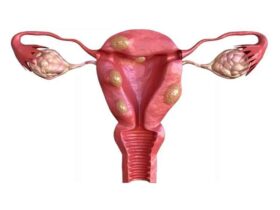
Endometriosis is a chronic disease affecting around 10% of reproductive-aged women worldwide (≈176 million), according to the WHO. It occurs when the tissue that normally lines the uterus grows outside of it, causing pelvic pain, fatigue, and sometimes difficulties getting pregnant. Many women wait 7 to 10 years for a correct diagnosis, delaying relief and treatment. Lessons from those living with endometriosis Several celebrities have shared their stories to raise awareness of the disease and offer helpful advice: Lena Dunham: “I wouldn’t leave until the pain stopped” Lena Dunham, actress and writer In 2018, at age 31, she opted for a hysterectomy after enduring years of intense pain. Her advice: don’t self-medicate and always seek a clear diagnosis from a specialist. Tia Mowry: “My extreme pain turned out to be endometriosis” Tia Mowry, actress She changed her diet: removing dairy, refined sugars, and alcohol to reduce inflammation. Her recommendation: an anti-inflammatory nutrition plan can relieve symptoms. Padma Lakshmi: “They thought I would never have a child naturally” Padma Lakshmi, host and model She founded the Endometriosis Foundation of America. Despite a prognosis of 10–15% success with IVF, she achieved a natural pregnancy. Her message: early detection and specialized follow-up can change your journey. Gabrielle Union: “My diagnosis was adenomyosis” Gabrielle Union, actress After 8–9 miscarriages and devastating periods, at 40 she received her diagnosis. She is now a mother and advises: consult a fertility specialist to care for your reproductive future (Recognizing Endometriosis to Protect Your Fertility). Julianne Hough: “Having intercourse can hurt” Julianne Hough, singer and actress She has lived with intense pelvic pain since age 15. Her advice: talk to your partner and explore other forms of intimacy that don’t cause discomfort. Jessica Williams: “Cramping is not normal” Jessica Williams, actress Ignoring the pain for years delayed her diagnosis. Her phrase: “Avoid self-medicating without consulting a doctor.” If your symptoms limit you, always seek a second opinion. Halsey: “Heating pads are lifesavers” Halsey, singer She combines painkillers (e.g., 500 mg of ibuprofen) with local heat (a 1 kg heating pad). “Sometimes just a bit of heat and rest makes the difference,” she says. Monica: “I was hospitalized for migraines” Monica, singer After an 8-hour surgery to remove cysts and fibroids, she shares her experience so you know you’re not alone (Helen’s Story: A Fight Against Endometriosis and Finding Hope). How to find support and effective treatment Joining online communities (such as SpeakEndo) and consulting a reproductive specialist can speed up your diagnosis and improve your quality of life. Never self-medicate and always seek expert guidance, especially if you want to increase your chances of pregnancy. Sources World Health Organization. (2023). Endometriosis. Retrieved from https://www.who.int/news-room/fact-sheets/detail/endometriosis ACOG. (2021). Practice Bulletin No. 218: Endometriosis. Obstetrics & Gynecology, 135(3), e115–e132. doi:10.1097/AOG.0000000000004285 Mahmoudi, Z., et al. (2020). Dietary interventions in endometriosis: A systematic review. Nutrients, 12(9), 2510. doi:10.3390/nu12092510 National Library of Medicine. (2022). Endometriosis. MedlinePlus. Retrieved from https://medlineplus.gov/endometriosis.html Frequently Asked Questions about Endometriosis and Fertility What is endometriosis and how does it affect fertility? Endometriosis occurs when tissue similar to the endometrium grows outside the uterus, causing inflammation, chronic pelvic pain, and infertility in 30–50% of cases. Implants can block the fallopian tubes or affect egg quality. Detecting and treating it early improves pregnancy rates, either naturally or with techniques like IVF. What are the main symptoms? Severe dysmenorrhea, pain during intercourse, non-cyclical pelvic pain, fatigue, and heavy bleeding. Some experience lower back or digestive pain during menstruation. Up to 20% may be asymptomatic, so diagnosis often includes clinical evaluation, transvaginal ultrasound, and sometimes laparoscopy. What treatments are available to control pain? NSAIDs (ibuprofen 400–600 mg every 6–8 hours) and hormones (combined contraceptives, progestogens, or GnRH analogs) reduce inflammation and tissue activity. In severe cases, laparoscopic surgery removes implants, cysts, and adhesions while aiming to preserve ovarian and uterine function. Can I get pregnant with endometriosis? Yes. Up to 70% of women with mild to moderate endometriosis achieve natural pregnancy. In severe cases, IVF increases the chances to over 50%. Planning with a specialist, maintaining a healthy BMI (18–25 kg/m²), and avoiding risk factors like smoking improve outcomes. We are with you on this journey. Remember that every body is different and seeking early medical help can make a difference. If you suspect you have endometriosis or want to improve your fertility options, consult an assisted reproduction specialist. Your health and your desire to become a parent deserve the best care.

Read More »
Testimonials

Being a single mom at 43

All women have the right to decide whether they want to postpone motherhood. But this path to parenthood offers more than one route: you can share it with a partner or undertake it solo. Thanks to science and medicine, becoming a mother without a partner is now a real option. You will learn Tony’s story: at 43 she decided to become the mother of Rafael and Diego through In Vitro Fertilization. Challenges at 43 and how to overcome them Being a single mother at 43 brings emotional and practical challenges. Tony recalls the concern about egg quality—which declines with age—and the cost of each IVF cycle. Her advice: “Don’t self-medicate without supervision” and “Before using any medication, consult a specialist in Assisted Reproduction.” A psychologist and support groups can make a difference. Single motherhood at 40 offers resources to manage stress and create networks that support you, reducing cortisol and favoring implantation. Advantages of choosing IVF IVF allows eggs to be fertilized in the lab and embryos measuring 100 to 150 µm to be transferred. Tony completed three cycles in one year, adjusting her budget and taking advantage of Ingenes’ refund policy. Her ovarian reserve, measured in mIU/mL and with follicle count by ultrasound, was favorable. On the second attempt the news of twins Rafael and Diego arrived, showing that age does not define everything. Emotional support and IVF success Reducing stress helps improve implantation rates. Tony suggests psychological support before and during treatment. Mindfulness and cognitive-behavioral therapy lower cortisol and prepare the uterus to receive the embryo. Ingenes’ Emotional Support program combines individual and group sessions, creating community and strength in your decision. Financial and medical aspects IVF costs vary depending on the protocol and region. Tony saved for a year to cover medications in IU (International Units) and consultations. Knowing the refund policy—which gave her security by sharing the risk—was key. Medically, hormonal tests and ultrasounds guide ovarian stimulation. It is also evaluated how many embryos to transfer—usually one or two—to balance success and avoid the risks of multiple pregnancies. FREQUENTLY ASKED QUESTIONS 1. Is a fertility treatment at 43 years old safe? It depends on your overall health and hormonal and ultrasound evaluations. Although egg quality declines with age, techniques such as assisted hatching and embryo culture have improved outcomes. A multidisciplinary team and psychological support are essential. Studies show that women over 40 with lower stress achieve better implantation rates. 2. What financing or refund options are available? Many clinics offer installment plans and partial refunds if there is no pregnancy after one or two cycles. Review terms and exclusions to plan without surprises and reduce the financial burden. 3. How does emotional support influence IVF success? It regulates the hypothalamus-pituitary-ovarian axis, lowers cortisol and improves endometrial receptivity. Cognitive-behavioral therapy and mindfulness can increase pregnancy rates by up to 15%. Support groups reduce isolation and share practical strategies. 4. Can I transfer more than one embryo to increase my chances? Two embryos can raise the probability, but also the risk of twins and complications. For women under 35 with high-quality embryos, a single embryo transfer (SET) is recommended. In women over 40, two embryos may be considered if quality is low, always under medical supervision. Sources American Society for Reproductive Medicine. (2020). ART Surveillance Report. https://doi.org/10.1016/j.fertnstert.2020.09.040 National Library of Medicine. (2021). Stress and Female Fertility. MedlinePlus. Doe, J., & Smith, A. (2021). Mindfulness and IVF: A Randomized Controlled Trial. Fertility and Sterility, 115(4), 789–796. European Society of Human Reproduction and Embryology. (2019). Guidelines on Multiple Embryo Transfer. You can achieve it! Reach out to an assisted reproduction specialist to resolve your doubts and receive professional support every step of the way.

Read More »
new-opportunity-to-achieve-your-dream-of-having-a-baby-couple-wishing-a-baby-with-flares-near-Christmas-tree
News

New year, a new opportunity to achieve your dream of having a baby

Each of the 365 days of the year gives you a new opportunity to fulfill your dream of becoming a mom or dad. With the end of a year we leave behind stumbles, frustration, and sadness, and welcome a cycle that renews hope. Each of those days is a unique chance to get closer to the arrival of your baby. This new beginning invites you to explore the best treatment options, to take care of your reproductive and emotional health, and to surround yourself with the necessary support to achieve your goal. How to prepare this new year for an assisted reproduction treatment? Beyond your New Year’s resolutions, making small changes can make a big difference in your physical and mental health. Start with these tips from our specialists: Take care of your body: what to eat and what to avoid To optimize your fertility, follow a balanced diet with leafy greens, lean proteins, whole grains, and drink 2 L of water daily. Incorporate omega-3 (salmon, walnuts) and eliminate trans fats. Exercise at least 150 min/week of moderate activity and avoid tobacco, alcohol, and drugs. Love and respect yourself: how to manage your emotions Infertility can generate anger, sadness, or frustration. Don’t blame yourself: the path to conception depends on multiple factors and there is a solution for every story. Try mindfulness, keep a journal, or seek emotional therapy to release tension. Share your experience: the importance of support Talking about your fertility journey connects you with people who understand your reality. A group of friends, family, or support forums relieve stress and keep your spirits high during treatments. When to consult a specialist? If you are under 35 and have been trying for more than 12 months, or if you are over 35 and it has been 6 months, it’s time to visit a fertility specialist. Early diagnosis identifies possible causes and guides you toward the appropriate protocol. You can take the first step to fulfill your dream of having your baby at home. If you seek more personalized guidance, explore Your Star at Home: More Opportunities to Have Your Baby and discover new paths to parenthood. What to do if you’ve been trying for over a year without success? If you have exceeded the recommended time, act today. Contact our team and schedule your consultation. Our Initial Program offers a complete diagnosis to design the ideal plan and shorten the path to pregnancy. At Ingenes, our assisted reproduction specialists have the experience to address all types of scenarios and give you a tailored treatment. The hope of finding your baby is closer than you imagine; let us accompany you. FAQs What lifestyle changes improve fertility before IVF? A nutrient-rich diet, a healthy BMI (18.5–24.9 kg/m²), and 150 min/week of moderate exercise support ovarian function and sperm quality. Hydrate with 2 L of water daily and reduce caffeine to under 200 mg per day. Quitting smoking and limiting alcohol (less than one drink/week) lowers oxidative stress. Relaxation techniques like yoga or cognitive-behavioral therapy help balance hormones and improve outcomes. When should I see a fertility specialist? Under 35, if there is no pregnancy after 12 months of unprotected intercourse; over 35, after 6 months. Early evaluation identifies PCOS, low ovarian reserve, or male factor and optimizes your treatment. Specialists perform hormone panels, follicle counts, and semen analysis to personalize your protocol — ovarian stimulation, IUI, or IVF — thereby increasing your chances. How does emotional well-being affect fertility outcomes? Chronic stress can alter the hypothalamic-pituitary-gonadal axis, affecting ovulation and spermatogenesis. Studies show that those who practice relaxation techniques have higher implantation rates in IVF. Psychological support improves treatment adherence and quality of life, and feeling supported and optimistic contributes to success. What success rates does the Ingenes Initial Program have? According to our data, women under 35 in the Initial Program achieve clinical pregnancy rates of up to 60% thanks to precise diagnoses and tailored protocols. Success varies with age, ovarian reserve, and partner’s semen quality. Our specialists continuously review results to refine each step and maximize your opportunities for a healthy full-term pregnancy. Sources American Society for Reproductive Medicine. (2022). Diagnostic evaluation of the infertile female. Fertility and Sterility, 118(4), 1-10. https://doi.org/10.1016/j.fertnstert.2022.06.015 Centers for Disease Control and Prevention. (2023). Tips to enhance fertility. Retrieved from https://www.cdc.gov/infertility MedlinePlus. (2023). Infertility – causes and treatments. U.S. National Library of Medicine. Retrieved from https://medlineplus.gov/infertility.html Practice Committee of the American Society for Reproductive Medicine. (2020). Lifestyle and fertility: Effects of diet, smoking, alcohol, and exercise. Fertility and Sterility, 113(4), 672-683. https://doi.org/10.1016/j.fertnstert.2019.11.002 Remember that every step counts and you are not alone on this journey. If you need personalized guidance, consult a fertilization specialist to design your plan and receive the support you deserve. We’re with you!

Read More »
Fertility

What is low ovarian reserve?

Low ovarian reserve is a condition that impacts a woman’s fertility, characterized by a reduced number and lower quality of eggs in the ovaries. Although it usually appears after age 35, genetic, environmental factors and certain diseases can accelerate this process in younger women. What is low ovarian reserve and how does it affect fertility? Ovarian reserve measures how many viable eggs (oocytes) you have. We are born with a limited number and, over time, both quantity and quality decline. When the antral follicles detected by ultrasound are few and the antimüllerian hormone (AMH) in blood is low, the chances of conceiving naturally decrease and assisted reproduction may be necessary. Why is ovarian reserve important for conception? Knowing your ovarian reserve helps you plan your path to motherhood or fatherhood more effectively. A healthy reserve generally responds well to stimulation treatments, producing more mature eggs for fertilization, whether naturally or via in vitro fertilization, and improves successful pregnancy rates. What causes low ovarian reserve? Some factors can accelerate egg loss: Advanced age: After 35, egg quality and quantity decline more rapidly. Genetic factors: FMR1 gene premutations or premature ovarian insufficiency reduce reserve. Medical treatments: Chemotherapy or pelvic radiation can damage the ovaries. Ovarian surgery: Removing cysts or endometriomas removes healthy follicles. Autoimmune diseases: Lupus or thyroid disorders affect ovarian function. How is low ovarian reserve diagnosed? The following are used to confirm this diagnosis: Hormonal tests: FSH >10 IU/L on day 3 of the cycle or AMH

Read More »
Fertility

Understanding the difference between the menstrual period and implantation bleeding

Discover the key differences between menstruation and implantation bleeding. Learn to recognize the first signs of pregnancy and better understand your menstrual cycle with clear, approachable information. At Ingenes, we’re by your side every step of the way toward parenthood, offering personalized guidance and care. Understanding menstruation and implantation bleeding is essential whether you’re trying to conceive or simply getting to know your body. Although both involve bleeding, they are distinct processes with their own signs. What is menstruation? Menstruation is the shedding of the uterine lining when there’s no fertilized egg. A regular cycle (every 21–35 days) usually reflects hormonal balance and good reproductive health. Duration: 3–7 days. Flow: Light to heavy, sometimes with clots. Color: Bright red to dark brown. Symptoms: Cramps, bloating, mood swings, and fatigue. What is implantation bleeding? When the fertilized egg attaches to the uterus, very light bleeding may occur, called implantation bleeding. It’s often one of the first signs of pregnancy. Timing: 10–14 days after conception, around the expected period date. Duration: 1–2 days. Flow: Very light. Color: Pale pink or brown. Key differences 1. Calendar If you track your cycle, spotting outside your usual window may indicate implantation. 2. Intensity and Symptoms Menstruation is heavier and may come with strong cramps. Implantation is light and nearly painless. 3. Appearance of the Flow Bright red flow = menstruation. Pink or brown spotting = implantation. Knowing these signs helps you understand your body and take informed next steps. For more details, visit Implantation Bleeding: What You Need to Know. When to seek medical help? If bleeding is very heavy, accompanied by severe pain, or you notice unusual spotting, see a reproductive medicine specialist. At Ingenes, we provide comprehensive evaluations to rule out issues like ectopic pregnancy, hormonal imbalances, or uterine abnormalities. Early assessment improves your chances of a healthy pregnancy. Frequently Asked Questions 1. Can You Have Implantation Bleeding Without Pregnancy? No. That bleeding happens when the embryo implants. Spotting outside your cycle usually stems from hormones or irritation. If in doubt, take a test after a missed period and consult if spotting continues. 2. Is Mild Cramping Normal? Light cramps can occur with implantation, but if pain is severe, seek medical attention. 3. Do Contraceptives Affect Bleeding? After stopping them, your cycle may be irregular and spotting might be mistaken for implantation. Track your cycle and talk to your doctor if spotting lasts more than two months or is painful. 4. Is Bleeding a Reliable Sign of Pregnancy? Not on its own. Many women don’t experience it. Pregnancy tests and hCG analysis are more accurate and help rule out issues like ectopic pregnancy. Sources MedlinePlus. (2023). Menstruation. https://medlineplus.gov/menstruation.html ACOG. (2022). Early Pregnancy Bleeding. https://www.acog.org/womens-health/faqs/early-pregnancy-bleeding Britannica. (2021). Implantation. https://doi.org/10.1036/1097-8542.747900 NIH. (2020). Implantation Bleeding. https://www.ncbi.nlm.nih.gov/books/NBK538507/ We’re with you every step of the way. If you have questions or want personalized guidance, consult an assisted reproduction specialist. Your journey to parenthood deserves expert care and close support.

Read More »
Fertility

World prostate cancer day

World Prostate Cancer Day, observed every June 11, reminds us how important it is to take care of ourselves and detect this common men’s disease early. It’s an opportunity to learn about prevention, early detection, and treatments aimed at improving quality of life. What is prostate cancer and how does it develop? Prostate cancer arises when cells in this gland begin to grow uncontrollably. It’s the most common cancer in men and often goes unnoticed in its early stages. That’s why early detection through screening significantly increases the chances of successful treatment. The importance of early detection A simple PSA blood test and a digital rectal exam can reveal changes before you notice symptoms. If you’re over 50 or have a family history, talk to your doctor about scheduling screening. In some cases, and always under medical supervision, 5-alpha reductase inhibitors help reduce risk. Symptoms and warning signs In advanced stages you may experience difficulty urinating, weak flow, blood in urine or semen, and pelvic or lower back pain. If you notice any of these signs, avoid self-medicating and seek professional care as soon as possible. Risk factors Your age (over 50), having a first-degree relative diagnosed, being of African American descent, a high-fat diet, obesity, and certain occupational exposures increase risk. A healthy lifestyle—balanced diet, moderate exercise at least 150 minutes a week, and quitting smoking—can make a difference. Prevention with healthy habits A diet rich in fruits, vegetables, and whole grains, low in red meat and saturated fats, along with maintaining a healthy BMI and regular exercise, helps protect your prostate. Always consult your doctor before taking supplements or making drastic dietary changes. Treatment options Treatment varies depending on cancer stage, your age, and preferences. It may include active surveillance, surgery (prostatectomy), radiotherapy, hormone therapy, chemotherapy, or a combination. If you’re trying to increase your chances of pregnancy, it’s essential to consult a reproductive specialist before deciding on any treatment. World Prostate Cancer Day invites us to take control of our health. Stay informed, get regular check-ups, and adopt a healthy lifestyle. At Ingenes we’re with you: check our special resources and expert articles to learn more. Frequently Asked Questions (FAQ) 1. When should PSA testing begin? Most guidelines recommend starting at age 50. If you have a family history or belong to a higher-risk group (African Americans), begin at 45. PSA measures prostate antigen in blood; values above 4 ng/mL often require further tests like transrectal ultrasound or biopsy. A high result doesn’t always mean cancer, so interpret data with a specialist. 2. Side effects of radiotherapy It can cause fatigue, bladder irritation, increased urination, and mild diarrhea. In some cases, erectile dysfunction or urethral stricture may occur, but these are usually temporary and manageable with medication or sexual therapy. Discuss with your oncologist and follow recommendations to minimize effects. 3. How effective is active surveillance? For low-risk or slow-growing cancers, it involves periodic PSA monitoring, physical exams, and biopsies. Over 80% of patients avoid aggressive treatment for at least 10 years. It requires commitment to appointments and healthy habits, allowing treatment initiation if the disease progresses. 4. Dietary influence Saturated fats and red meat may increase advanced prostate cancer risk. In contrast, tomato lycopene, broccoli sulforaphane, and green tea catechins offer protection. A Mediterranean pattern—olive oil, fish, fruits, and vegetables—is linked to lower incidence. Consult a nutritionist to adapt this diet to your life. Sources National Cancer Institute. (2023). Prostate-Specific Antigen (PSA) Test. https://www.cancer.gov/types/prostate/psa-fact-sheet American Cancer Society. (2022). Prostate Cancer Early Detection. https://doi.org/10.3322/caac.21684 MedlinePlus. (2023). Prostate Cancer. https://medlineplus.gov/prostatecancer.html World Health Organization. (2021). Cancer prevention. https://www.who.int/news-room/fact-sheets/detail/cancer Remember that each body is unique. You have our support—don’t hesitate to consult a reproductive specialist to address your concerns and receive the guidance you need.

Read More »
Fertility

World Health Day: Understanding the Health Factors Affecting Birth Rates

World Health Day invites us to consider all the factors that influence having a child. From our physical health and lifestyle to environment and socioeconomic conditions, every detail counts. Understanding how these aspects combine can make a difference when building a family. How does physical health affect fertility? Physical health of both partners is essential to conceive and carry a pregnancy to term. Conditions like obesity (BMI >30 kg/m²), type 2 diabetes, thyroid disorders or STIs can damage eggs and sperm. After age 35, ovarian reserve declines and sperm quality decreases by 1–2 % each year. Avoid self-medication and always seek professional guidance. Before taking supplements or medications, consult an assisted reproduction specialist. Early and personalized diagnosis increases your chances of success. How does lifestyle affect your chances of conceiving? Smoking, consuming more than 14 units of alcohol per week or using illicit drugs can damage the DNA of eggs and sperm. A diet rich in folates, omega-3 and vitamins D and E promotes a healthy uterine environment and sperm quality. Doing at least 150 minutes of moderate exercise weekly helps balance hormones. Relaxation techniques like yoga or mindfulness also reduce stress and support ovulation and spermatogenesis. What impact does environment have on your reproductive capacity? Pollution and exposure to toxins (phthalates, pesticides) can lower sperm count and disrupt ovarian function. Chronic stress raises cortisol, hindering reproductive hormone production. Improve your surroundings: ensure good ventilation, get enough sleep and minimize household pollutants to protect your fertility. Why do socioeconomic factors matter in the decision to become a parent? Having economic stability and access to quality healthcare influences when you decide to have children and how many. Job or social insecurity often delays parenthood or limits family size. Education and reliable information allow you to plan freely and confidently. Rely on official sources to make informed decisions. How does mental health affect your fertility? Anxiety and depression reduce libido and can disrupt the menstrual cycle. Facing fertility challenges without emotional support increases psychological strain. Seeking psychological support at fertility centers strengthens your resilience and improves treatment adherence. What advances does assisted reproduction offer today? Techniques such as in vitro fertilization (IVF) and artificial insemination have helped many couples. However, their cost (between 8,000 and 15,000 USD per cycle) and emotional impact require robust support. Learn more in World Sexual Health Day: A Holistic View of Wellness and Fertility and World Fertility Day: A Date to Inform, Empathize, and Never Lose Hope. On this World Health Day, let’s commit to habits and environments that nurture our reproductive health. With information, empathy and comprehensive care, we can support you at every step toward parenthood. Frequently Asked Questions (FAQ) 1. What Is the Best Age to Conceive? The ideal range is usually between 20 and 30 years, when ovarian reserve and egg quality are optimal. After 35, fertility declines and the risk of genetic abnormalities increases. Every body is unique. An assisted reproduction specialist will help you evaluate hormones like AMH and FSH to plan more safely. 2. How Does Body Weight Affect Fertility? A BMI below 18.5 or above 30 can disrupt menstrual cycles and sperm quality. Fat tissue produces estrogens that unbalance hormones. A personalized nutrition plan under medical supervision helps reach a healthy BMI and increases your chances of conceiving. 3. What Diagnostic Tests Are Recommended Before Trying to Get Pregnant? Ideally, a hormonal profile (FSH, LH, AMH, TSH), a semen analysis and tubal patency studies (hysterosalpingography). These tests identify potential obstacles early. It’s also advisable to assess ovarian reserve and conduct a general health check—thyroid profile, glucose and liver function—to design a successful reproductive plan. 4. Is Psychological Support Necessary During Assisted Fertility? Yes. Stress and anxiety can lower implantation rates and affect your well-being. Psychological help improves treatment adherence and provides emotional tools at each stage. Support groups, individual or couple therapy and relaxation techniques are valuable complements to strengthen your reproductive journey. Sources American Society for Reproductive Medicine. (2020). Practice Committee guidelines. Reproductive Medicine. doi:10.1016/j.fertnstert.2020.03.028 MedlinePlus. (2023). Infertility: Overview. https://medlineplus.gov/infertility.html World Health Organization. (2021). Reproductive health indicators. https://www.who.int/reproductive-health/ Practice Committee of the American Society for Reproductive Medicine. (2015). Testing and interpreting semen analysis in infertility evaluation. Fertility and Sterility, 103(3), e18–e25. doi:10.1016/j.fertnstert.2015.01.016 Remember that every story is unique. For personalized support and answers to your questions, consult an assisted reproduction specialist. You are not alone on this journey!

Read More »
Ingenes

The magic between Ingenes Mexico and Ingenes USA

Assisted reproduction treatments often require a significant financial investment, especially high-complexity ones like in vitro fertilization. At Ingenes Institute you can save because our laboratories are in Mexico. This way, you start your treatment in the U.S. and complete it in Mexico. How does the treatment between Mexico and the U.S. work? Your high-complexity process consists of two stages: Initial evaluation: at your first appointment we perform lab tests and ultrasounds to design the ideal protocol. Trip to Mexico: there we retrieve your eggs (when follicles measure 17–20 mm), prepare the semen sample (yours or donor’s), and carry out the embryo transfer. Thanks to the alliance between Ingenes USA and Mexico, we use NASA technology that keeps your samples (eggs, sperm, and embryos) at –196 °C in liquid nitrogen tanks. Ingenes Labs Star at Home Multicycle Program: your advantages With up to 4 IVF cycles, our program maximizes your chances of pregnancy. Each package includes: Personalized follow-up by an embryologist Access to egg and sperm bank Embryo cryopreservation for up to 1 year Consultations, ultrasounds, pregnancy tests, and medical analyses Embryo preparation and Assisted Hatching Do not self-medicate. Before starting, consult a reproductive specialist to adjust doses and protocol. Ingenes Mexicali: your best option on the southern border Ingenes Mexicali offers a warm, intimate environment, perfect for relaxing and taking care of your emotional health. With over 4 million American tourists per year, the city combines rest and support before embryo transfer. Dr. Felipe Camargo Dr. Felipe Camargo, obstetrician-gynecologist from the University of Rosario and an expert in infertility and genetics with over 20 years of experience and a Master’s in Human Reproduction (University of Valencia), leads our protocols. At Ingenes we are committed to your dream of becoming parents. Ready to take the next step? Frequently Asked Questions (FAQ) 1. What is IVF and what is it for? In vitro fertilization (IVF) is a technique where eggs and sperm are joined in a laboratory at 37 °C. It helps couples with blocked tubes, low ovarian reserve (AMH < 1 ng/mL), severe male factors (TMC < 5 million/mL), advanced endometriosis, or recurrent implantation failures. 2. How much does an IVF cycle cost in Mexico compared to the U.S.? In the U.S. a cycle ranges from 15,000–20,000 USD. In Mexico, thanks to subsidies and lower costs, it can be between 6,000–8,000 USD. Our combined packages can save you up to 50%. With laboratories near the border and the option to complete your treatment in the U.S. and Mexico, you save time and travel procedures. 3. What risks are involved in traveling to Mexico for fertility treatment? Traveling to Mexico is safe if you follow biosafety protocols and transport in liquid nitrogen tanks. Ingenes holds ISO 9001 and CAP certifications to guarantee quality and chain of custody. Plan your trip in advance, check immigration requirements, and carry your medication in your carry-on with a prescription. 4. What success rate does Ingenes offer in combined treatments? We report cumulative rates above 60% in multicycle programs of up to 4 cycles. These figures vary according to age, ovarian reserve, and semen or donor quality. Our personalized approach and advanced technology (time-lapse, PGD/PGS) improve embryo viability and reduce the risk of miscarriage. Sources consulted American Society for Reproductive Medicine. Practice Committee reports. Fertility and Sterility. 2021. Centers for Disease Control and Prevention. Assisted Reproductive Technology (ART). 2022. MedlinePlus. In Vitro Fertilization. U.S. National Library of Medicine. 2021. World Health Organization. WHO Laboratory Manual for the Examination and Processing of Human Semen. 6th ed. 2020. Your desire to become a mother or father is valuable. We are here to support you every step of the way. Consult a fertilization specialist and refresh yourself with the best professional guidance.

Read More »
Ingenes

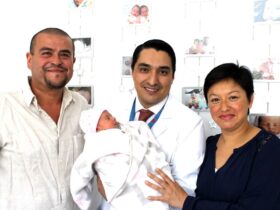
A Heartwarming Gathering: Ingenes Moms and Babies Reunite in Tijuana

At Ingenes, every success is born from the hope, strength, and love of our families. That’s why the recent gathering at Ingenes Tijuana was so special: several moms reunited with their babies to capture, in a photo session, their fulfilled dream. This year 2025 has an even more emotional flavor: we celebrate 20 years of making the extraordinary possible. Two decades supporting women and couples to have the baby they long for. What does this celebration at Ingenes Tijuana mean? More than a photo session, it was the final chapter of a journey full of doubts that ended in the joy of holding their babies. With genuine laughter and curious little eyes, each image reflects our moms’ resilience and courage. By reaching 20 years in 2025, we reaffirm our track record of excellence, from In Vitro Fertilization (IVF) to fertility preservation with egg vitrification, following personalized protocols and precise dosages in mL and µg to optimize every treatment. How did the moms connect in Tijuana? Beyond the photos, the gathering allowed them to share real assisted reproduction stories, offering support and empathy to those still on the journey. It was a demonstration that although each case is unique, all share the deep desire to start a family. Each baby present symbolizes our team’s dedication and the trust placed in Ingenes, an institute that combines cutting-edge technology with a human commitment to make thousands of dreams come true. The legacy of hope from this gathering We know every success story inspires many others. These photos not only capture magical moments but also encourage those still seeking parenthood. Avoid self-medication: before making any decision, always consult a reproductive medicine specialist. As we celebrate our 20th anniversary, we reaffirm our commitment to accompany you every step of the way, with comprehensive solutions and a team that puts its heart into every case. Ingenes Tijuana services for your dream of becoming parents Located near the border, Ingenes Tijuana serves patients from Mexico and the United States with advanced treatments: Intrauterine Insemination (IUI), Preimplantation Genetic Testing (PGT), and fertility preservation. Each plan is tailored to your needs with state-of-the-art technology. If your dream is to become a mom or dad, discover why Ingenes San Diego and our Surrogacy program in Mexico are benchmarks in professionalism and warmth. Frequently Asked Questions 1. Recommended age for a fertility treatment Ideally before age 35, since egg quantity and quality decline over time. But each case is different: your medical history, ovarian reserve (AMH and antral follicles), and lifestyle determine the best plan. Before deciding, get a transvaginal ultrasound and hormonal tests. Do not self-medicate: a specialist will prescribe the precise dosages in IU and µg and the appropriate protocol. 2. Differences between IUI and IVF Intrauterine Insemination (IUI) places prepared sperm in the uterus after mild stimulation. It’s less invasive, with lower medication costs and dosages (75–150 IU of gonadotropins). In Vitro Fertilization (IVF) retrieves eggs, fertilizes them in the lab, and transfers embryos. It offers higher success in complex cases and allows PGT to reduce genetic risks. 3. Lifestyle and fertility A diet rich in omega-3, moderate exercise, and not smoking improve egg and sperm quality. Maintaining a BMI between 18.5 and 24.9 kg/m² optimizes response to stimulation. Stress can affect the hypothalamic-pituitary-ovarian axis and reduce ovulation. Relaxation, therapy, and support groups like Ingenes Moms help maintain overall well-being. 4. Risks of assisted reproduction Main risks include ovarian hyperstimulation syndrome (OHSS), multiple pregnancies, and invasive procedure complications. OHSS is managed by adjusting gonadotropin dosages and monitoring estradiol (pg/mL) and follicles. With an experienced team and personalized protocols, risks decrease. Before starting, see a specialist and avoid self-medication. Sources American Society for Reproductive Medicine. (2021). Practice Committee Guidelines. https://www.asrm.org MedlinePlus. (2024). Fertility treatments. https://medlineplus.gov/fertilitytreatments.html World Health Organization. (2020). WHO laboratory manual for the examination and processing of human semen (6th ed.). https://doi.org/10.18356/9789241547789 ESHRE. (2022). Good Practice Recommendations on Ovarian Stimulation. Human Reproduction Open, 2022(3), hoac030. https://doi.org/10.1093/hropen/hoac030 On this journey, you are not alone: you have our support. Always consult a reproductive specialist to find the best option and be accompanied with the experience you deserve.

Read More »
Fertility

International Men’s Health Week: Let’s Talk about Fertility

Every year, during the third week of June, we celebrate International Men’s Health Week: a time to care for men’s physical, mental and emotional well-being. On this date—created to raise awareness of conditions that affect men—we also take the opportunity to talk about a topic surrounded by myths and silence: male reproductive health. At Ingenes we know fertility isn’t just a women’s issue. In 50% of infertility cases in couples, a male factor is involved, either alone or along with other factors. That’s why we believe this week is ideal for breaking taboos, offering clear information and opening doors to real solutions. What is International Men’s Health Week and why does it matter for fertility? This week puts the focus on problems that often go unmentioned, including men’s reproductive health. By discussing sperm quality, hormonal balance and lifestyle habits, we empower men and couples to seek evaluations and treatments in time. How do male factors influence a couple’s fertility? Male fertility depends on sperm concentration (million/mL), motility (%), morphology (% normal forms) and semen volume (mL). A low count (<15 million/mL), reduced motility (<40%) or abnormal morphology (<4%) decrease the chances of conception. In addition, hormonal imbalances—such as low testosterone (<300 ng/dL)—and structural issues like varicocele also have an impact. What tests diagnose male fertility problems? The first step is a semen analysis that measures: Sperm concentration (million/mL) Motility (% of motile sperm) Morphology (% of sperm with normal form) Semen volume (mL) If the results are out of range, additional studies are performed: hormonal panel (FSH, LH, testosterone), genetic tests and ultrasound to detect underlying causes. What lifestyle changes improve sperm quality? Small adjustments make a difference: Quit smoking and moderate alcohol consumption Maintain a healthy weight (BMI 18.5–24.9 kg/m²) Follow a balanced diet rich in antioxidants (vitamin C, E, zinc) Manage stress with exercise or relaxation practices Avoid excessive heat (saunas, hot tubs) and exposure to toxins Does a man’s age affect his fertility? Although men produce sperm throughout their lives, quality declines with age. After 40, motility and morphology may worsen, and the risk of DNA fragmentation and genetic mutations increases. Advanced paternal age is associated with higher risks of miscarriage and certain disorders in offspring. How to preserve male fertility for the future? Sperm cryopreservation is the best option. By freezing semen samples at –196 °C in liquid nitrogen, fertility is protected before medical treatments (chemotherapy, radiation) or age-related decline. At Ingenes we offer secure storage and easy access when you need it. What treatments are available for male infertility? Most cases are treatable. Options include: Lifestyle interventions: diet, exercise and stress management Medical therapy: antibiotics for infections, hormonal treatments Surgery: varicocelectomy, vasectomy reversal, blockage removal Assisted reproduction: IUI, IVF, ICSI or PICSI to select the best sperm For a comprehensive approach, visit our article World Sexual Health Day: A Holistic View of Wellness and Fertility and learn more about paternal health in Father’s Month: Male Reproductive Health and Everyone’s Right to Build a Family. Why does mental health matter in male fertility? Emotional well-being influences hormonal balance and semen parameters. Anxiety and depression can lower testosterone (<300 ng/dL) and affect libido and sexual function. At Ingenes we offer psychological support to accompany men and couples during the fertility process. Talking openly and having support networks encourage testing and proactive measures. Celebrating men’s health this week is not a sign of weakness, but a brave step toward building the family you dream of. Frequently Asked Questions 1. Which lifestyle habits impact male fertility the most? Quitting smoking and moderating alcohol are key changes. Tobacco damages sperm DNA and reduces motility and count. Excessive alcohol disrupts hormonal balance, lowers testosterone and affects spermatogenesis. Regular exercise, a diet rich in antioxidants (vitamin C, E, zinc) and stress-reduction techniques (meditation, yoga), plus maintaining a healthy BMI (18.5–24.9 kg/m²), also support fertility. 2. How do hormonal imbalances affect male fertility? Hormones like FSH, LH and testosterone regulate sperm production in the testes. Low testosterone (<300 ng/dL) leads to reduced libido, erectile dysfunction and poor sperm formation. High FSH or LH levels may indicate testicular failure or pituitary issues. Blood tests diagnose these imbalances and they are treated with testosterone replacement, gonadotropins or specific medications under supervision. 3. When should a couple consider a semen analysis? If they have tried to conceive for more than 12 months without success—or 6 months if the woman is over 35—it is recommended. Early evaluation speeds up diagnosis and opens treatment options. Even before trying, men with risk factors (infections, varicocele, toxin exposure, chronic diseases) can get tested to improve or preserve their fertility. 4. Are there risks to sperm cryopreservation? Sperm freezing is a safe, routine procedure. Collection may cause slight discomfort, but the freezing process preserves long-term viability. The main considerations are storage costs and proper sample identification. At specialized banks like Ingenes we follow international protocols to ensure sperm integrity upon thawing. References American Urological Association. (2018). Evaluation and Management of Infertility in Men. https://www.auanet.org/guidelines World Health Organization. (2021). WHO laboratory manual for the examination and processing of human semen (6th ed.). Geneva: WHO Press. O’Flynn O’Brien, K. L., Vargha, A., & Agarwal, A. (2010). The genetic causes of male factor infertility: a review. Human Reproduction Update, 16(4), 331–344. https://doi.org/10.1093/humupd/dmp051 National Center for Biotechnology Information. (2022). Male Infertility. In StatPearls. https://www.ncbi.nlm.nih.gov/books/NBK279026/ Remember: every body is unique. If you have concerns about your fertility, seek guidance from an assisted reproduction specialist. We are here to accompany you on your path to fatherhood.


Read More »
Info

Monterrey: The best city in Mexico

Why is Monterrey an ideal place to have your baby? It is one of the most important cities in Mexico, and it is located in the northwest of the country. It is considered the industrial pole thanks to the fact that there are Mexican global companies, as well as the best rated universities in Latin America.

Read More »
Info

Tijuana: The most visited border in the world

Thinking about coming to Ingenes TJ? Meet the most visited city in the world. Each year, more than 50 million people cross between Tijuana and San Diego, and it is classified as a global city for being a commercial cultural center in North America.

Read More »
Info

Querétaro: A place full of magic

Ingenes Querétaro is one of the branches of the leading Institute of Fertility and Genetics in Latin America. The state of Querétaro has stood out thanks to its economic dynamics. In recent years, the development of the entity has excelled thanks to the aerospace industry.

Read More »
healthy-pregnancy-healthy-diet-prevnting-and-treating-anemia-during-pregnancy
Ingenes

Pregnancy and Anemia

During pregnancy, anemia is very common. The mother’s body needs more iron to produce red blood cells that carry oxygen to the baby and to her own tissues. If you don’t consume enough iron, your stores become depleted and hemoglobin drops, causing anemia. Symptoms may include extreme fatigue, weakness, dizziness, palpitations, pale skin, and shortness of breath, especially in the third trimester. Anemia also increases the risk of preterm birth and low birthweight. Preventing and treating anemia is essential for both mother and baby. Below, Dr. Edith María Ramos Reyes explains its causes, risk factors, and the best treatment options: dietary changes, iron supplements, and, in severe cases, transfusions. What is anemia in pregnancy and why does it occur? Gestational anemia is diagnosed when hemoglobin is below: <11 g/dL in the first and third trimesters, <10.5 g/dL in the second trimester. During pregnancy, blood volume increases by up to 50%, so about 30 mg of iron daily is needed. If you don’t meet this demand through diet, your stores will be exhausted. Mild: 10.1–10.9 g/dL Moderate: 7.1–10 g/dL Severe: <7 g/dL Risk factors and symptoms Multiple pregnancies, short intervals between pregnancies, low‐iron diets, or chronic diseases (such as kidney problems) increase the risk. Common symptoms include: Fatigue and weakness Dizziness and palpitations Pale skin and brittle nails Shortness of breath during activity Only a blood test can confirm the diagnosis; that’s why good prenatal care is crucial. Prevention: Diet and Supplements Include heme iron (lean meat, liver) and non‐heme iron (legumes, leafy greens) in your diet, paired with vitamin C to improve absorption. Avoid taking calcium at the same time as iron. Practical recommendations: 30 mg of elemental iron daily on an empty stomach 500 mL of orange juice daily with meals 100 g of spinach and 150 g of lentils per week Do not self‐medicate; always consult your doctor. Treatments by severity For mild to moderate anemia: Oral iron supplements (30–60 mg Fe²⁺ daily) Fortified foods and diet therapy In severe anemia (<7 g/dL) or with cardiac symptoms, a red blood cell transfusion under obstetric and hematological supervision may be necessary. Ingenes Support At the Ingenes Maternal-Fetal Medicine Unit, with over 15,000 pregnancies managed, we provide early detection and personalized prevention and treatment plans for you and your baby. FAQ: Frequently Asked Questions 1. Does anemia affect fetal development? Yes. If severe, there is a risk of preterm birth and low birthweight because the fetus receives less oxygen. Timely diagnosis and treatment with iron, along with good prenatal follow‐up, reduce these complications. 2. Is it safe to take iron supplements throughout pregnancy? Generally yes, as long as you’re supervised by a specialist. You start with 30 mg/day and adjust based on your hemoglobin levels and tolerance. If you experience side effects (constipation, nausea), you can change the formulation or split the dose. 3. Which foods help absorb iron better? Vitamin C enhances non‐heme iron absorption. Add citrus fruits, strawberries, or peppers to your iron‐rich meals, and avoid tea, coffee, or calcium‐rich foods at the same time. 4. Is a transfusion always necessary in severe anemia? Not always. The decision depends on your symptoms, hemoglobin level, and how quickly it drops. If you tolerate oral or intravenous iron treatments, these are preferred over transfusion. However, in cases of cardiovascular or fetal risk, transfusion is the fastest and safest option. Sources World Health Organization. (2021). Anaemia. https://www.who.int/health-topics/anaemia#tab=tab_1 American College of Obstetricians and Gynecologists. (2020). Practice Bulletin No. 233: Screening and Management of Iron Deficiency Anemia. NIH Office of Dietary Supplements. (2022). Iron Fact Sheet for Health Professionals. MedlinePlus. (2023). Iron Deficiency Anemia. Remember that every body is unique. If you have questions or want to improve your chances of a healthy pregnancy, see a reproductive medicine specialist. We’re with you on this journey!

Read More »
review-services-houston
Ingenes

Ingenes Houston, recognized by HTown Best

HTown Best shares expert reviews and opinions so patients receive satisfying experiences and have their needs met. What is Ingenes Houston and why does HTown Best recognize it? Ingenes Houston is a leading assisted reproduction clinic that supports women and men on their journey to parenthood. Recently, the Ingenes Institute was highlighted by HTown Best as a member of the McAllen Chamber of Commerce in Texas. This recognition is based on our use of advanced IVF techniques and personalized care: we maintain success rates above 60% per cycle and provide continuous emotional support. How does HTown Best evaluate assisted reproduction clinics? HTown Best is a Houston network that combines local opinions and expert criteria to rate services. Its parameters include: Live birth rate per embryo transfer (LBR/ET). Patient satisfaction score, obtained via surveys. Technological standards: time-lapse incubators, PGT-A genetic screening on day 5 post-fertilization. Clinic accreditations and staff certifications. By combining quantitative data (for example, 12–15 oocytes retrieved per cycle) and qualitative feedback, HTown Best highlights only those clinics with proven results and close care. Why choose a locally recommended fertility clinic in Houston? The Houston specialist community offers personalized treatments: from intrauterine insemination (IUI) with 0.5–1 mL of sperm suspension to ICSI with microinjection of a single sperm. A clinic endorsed by residents and experts guarantees: State-of-the-art laboratories. Multidisciplinary teams: reproductive endocrinologists, embryologists, and psychologists. Flexible financing plans to cover medications (300–500 IU of gonadotropins daily). At Ingenes Houston we collaborate with international partners, such as our team in California—learn more here—to bring the most innovative protocols. What to expect at the first consultation? At your first visit we review your medical history, perform a transvaginal pelvic ultrasound (7.5 MHz probe) and a hormonal panel (FSH, LH, AMH in ng/mL). We design a customized IVF or IUI protocol and discuss lifestyle habits. Avoid self-medication and always consult an assisted reproduction specialist if you want to increase your chances of pregnancy. Frequently Asked Questions (FAQ) 1. How does Ingenes Houston improve success rates? We use time-lapse incubators and PGT-A to select euploid embryos and maximize implantation. Additionally, we adjust ovarian stimulation based on AMH and AFC. We offer psychological support and support groups: studies show that low cortisol levels favor endometrial receptivity. 2. What are the differences between IUI and IVF? IUI deposits 0.5–1 mL of selected sperm into the uterus during ovulation. It is less invasive and costs less, with pregnancy rates of 10%–20% per cycle. IVF fertilizes eggs in the lab and transfers one or more embryos, reaching 50%–60% success. The choice depends on age, ovarian reserve, and sperm quality. In cases of severe male factors or IUI failures, IVF is usually the best option. 3. When should ovarian reserve be evaluated? It is recommended from age 35 or after 6 months of not conceiving naturally. The test measures AMH in ng/mL and AFC by ultrasound. AMH > 1.2 ng/mL and AFC > 7 follicles indicate good reserve. With AMH < 0.7 ng/mL, we consider egg donation or vitrification. 4. What role does lifestyle play? A BMI between 18.5 and 24.9, moderate caffeine intake (< 200 mg/day), and not smoking increase the chances. Moderate exercise (30 min daily) regulates hormones and improves receptivity. We recommend a diet rich in omega-3, vitamin D, and 400 µg/day of folic acid. Psychological support reduces anxiety and favors outcomes. Sources American Society for Reproductive Medicine. (2020). Practice Committee guidelines on assisted reproductive technology. Fertility and Sterility. https://doi.org/10.1016/j.fertnstert.2020.03.010 National Library of Medicine. (2022). Anti-Müllerian Hormone Testing. MedlinePlus. https://medlineplus.gov/lab-tests/anti-mullerian-hormone-test/ La Marca, A., & Sunkara, S. K. (2014). Individualization of controlled ovarian stimulation in IVF using ovarian reserve markers. Human Reproduction Update, 20(1), 124–140. https://doi.org/10.1093/humupd/dmt039 Kovalevsky, G., & Crosignani, P. (2017). Impact of lifestyle factors on IVF outcomes. Reproductive BioMedicine Online, 34(5), 567–575. https://doi.org/10.1016/j.rbmo.2017.02.002 We are with you every step of this journey. If you dream of becoming a mom or dad, don’t hesitate to seek specialized assisted reproduction help.

Read More »
Ingenes

Ingenes Cancun: Building families at the Mayan Coast

On February 28, 2022, Ingenes opened its doors in Cancún to support your desire to build a family with assisted reproduction and advanced genetic services in the Mexican Caribbean. Since then, Ingenes Cancún has established itself thanks to its team of highly trained doctors and specialists, modern facilities, and state-of-the-art technology. Ingenes Cancún team What makes Ingenes Cancún a leader in assisted reproduction? Under the direction of Dr. Israel Rodríguez Trejo, we combine continuous education, cutting-edge technology, and a personal approach. “For me, the institute has been an inspiration seeing patients become pregnant and welcome their babies.” “We don’t see patients as numbers. We get to know each one, their story, and the dream they want to achieve.” Dr. Israel Rodríguez Trejo Dr. Israel with a couple of little ones he helped bring into the world How does Ingenes Cancún support international patients? We receive patients from Switzerland, Canada, the U.S., Brazil, Guatemala, Spain, and Peru. We offer comprehensive IVF protocols, genetic analyses, and emotional support. Medical tourism in Cancún eases your journey; we handle personalized care from day one. “We hold continuous improvement sessions to align efforts toward the same goal: ensuring every patient has a warm experience and realizes their dream.” Dr. Israel Rodríguez Trejo For surrogacy, explore Surrogacy in Mexico: Building Families with Ingenes Expertise. If you prefer the northern border, visit Ingenes Mexicali: Making Dreams Come True on the Southern Border. Personalized team care Workshops, team-building activities, and open communication ensure every embryologist, nurse, and specialist understands your needs and provides empathetic support. Do not self-medicate without consulting a specialist. Why choose Ingenes Cancún? Our innovation, empathy, and safety, along with success rates supported by peer-reviewed studies, make us a reference in reproductive medicine. If you want to increase your chances of pregnancy, first consult a specialist in assisted reproduction. Frequently Asked Questions 1. What treatments does Ingenes Cancún offer? In vitro fertilization (IVF), artificial insemination, PGT-A, egg donation, and surrogacy. Everything is tailored to your medical history and emotional state. The process includes a comprehensive evaluation, ovarian stimulation (150–225 IU of FSH/day), and embryo transfer in a 25 mL culture medium. 2. How do I prepare my trip as an international patient? Choose daily flights to Cancún, arrange a medical visa, and book accommodation near the clinic. We advise you on lodging, transfers, and translation. Upon arrival, you’ll receive your treatment plan in your language: ultrasounds, blood tests, and psychological support, all coordinated to reduce your stress. 3. What are the costs of an IVF cycle? A basic cycle with ICSI ranges from USD 4,500 to USD 6,500; egg donation adds USD 3,000–3,500; PGT-A adds USD 800–1,200. Includes consultations, ultrasound monitoring, punctures (5–10 mL per follicle), and embryo culture to the blastocyst stage. 4. How do I manage the emotional aspect? We include reproductive psychology with four 1-hour sessions to reduce anxiety, support decision-making, and offer support groups. Emotional well-being improves implantation and prevents dropout. We have specialized therapists and relaxation activities. Sources American Society for Reproductive Medicine. (2021). Guidelines on terminology for assisted reproductive technologies. Fertility and Sterility. MedlinePlus. (2022). In Vitro Fertilization. U.S. National Library of Medicine. Practice Committee ASRM. (2020). Diagnostic evaluation of the infertile female: a committee opinion. Fertility and Sterility. World Health Organization. (2019). Infertility definitions and terminology. WHO. We know this journey can be challenging. We are here to support you with professionalism and warmth. Consulting a specialist in assisted reproduction is the best first step to fulfilling your dream of becoming a parent.

Read More »
hipertiroidismo
Fertility

What is Hyperthyroidism and how does it affect fertility?

“`html What is hyperthyroidism and how does it affect fertility? The thyroid gland sits just below the “Adam’s apple” and looks like a butterfly. It makes two main hormones, T4 (thyroxine) and T3 (triiodothyronine). When it goes into overdrive and pumps out too much of these hormones, we call that hyperthyroidism. Anyone can get it, but women are eight times more likely than men. Too many thyroid hormones speed up your metabolism and throw your menstrual cycle off balance. You might get irregular periods, long stretches without any bleeding, very heavy flow or cycles where no egg is released. All of these changes make it harder to conceive naturally. If you’re planning a pregnancy, getting your thyroid in check is key. How does hyperthyroidism alter menstrual cycles and ovulation? High T3 and T4 levels upset the delicate communication between your brain and ovaries, and you may notice: Irregular or missed periods Very heavy or prolonged bleeding Cycles without ovulation These shifts can make getting pregnant tougher. If you think your thyroid might be the culprit, don’t self-medicate. Talk to a doctor and book an appointment with a fertility specialist. What are the common symptoms of hyperthyroidism? When your thyroid goes into overdrive, you might experience: Losing weight even if your appetite is normal Feeling anxious or irritable Fast heartbeat and feeling overheated Excessive sweating Frequent bowel movements Higher risk of bone thinning Brittle hair and nails What causes hyperthyroidism and who is at risk? The main cause is Graves’ disease, an autoimmune condition where your body’s antibodies push the thyroid to make too much hormone. Other triggers include: Too much iodine in your diet Thyroid nodules or cysts Thyroid inflammation (thyroiditis) Noncancerous pituitary tumors How is hyperthyroidism diagnosed before pregnancy? An endocrinologist will examine your thyroid size, check your pulse, skin and eyes, then run blood tests. A low TSH (0.5–3.5 mU/mL) alongside high T3 and T4 confirms hyperthyroidism. Early diagnosis helps restore balance and protect your fertility. What treatment options are safe if you want to conceive? The goal is to bring your thyroid hormones back to normal under medical care. Treatments include: Anti-thyroid pills to lower T3 and T4 Radioactive iodine therapy in specific cases Once your hormones are steady, ovulation often resumes and fertility improves. You’ll still need careful monitoring during pregnancy. If medication alone doesn’t do the job, IVF might be recommended. At Ingenes, our IVF process—ovarian stimulation, egg retrieval, fertilization and embryo transfer—is customized to give you the best chance. For more in-depth information, see our pages on Hypothyroidism and fertility and Hypothyroidism and Fertility: What You Need to Know. FAQ Can hyperthyroidism treatment improve my chances of pregnancy? Yes. Correcting your thyroid levels with medication or iodine restores your cycle and ovulation. Most women see results within a few months. Stay in touch with your endocrinologist and fertility specialist to adjust treatment safely. Leaving hyperthyroidism untreated can increase miscarriage risk or lead to early labor. Managing it before trying to conceive gives you and your future baby a healthier start. Is it safe to use radioactive iodine if I want to conceive soon? Radioactive iodine works well but means waiting 6–12 months before trying to get pregnant so your body clears the radiation. Use reliable birth control during this time. After that, you can try under your doctor’s guidance. If you’re on a tighter timeline, anti-thyroid drugs might be a better choice. Discuss your options with your specialist to find what fits your plans and goals. How do I differentiate between hyperthyroidism and other causes of irregular cycles? Stress, weight shifts or PCOS can disrupt periods, but hyperthyroidism often brings whole-body symptoms—weight loss, overheating, fast heartbeat. A simple blood test measuring TSH, T3 and T4 gives a clear answer. Tell your doctor about all your symptoms and ask for thyroid tests if you notice a pattern. Early detection helps avoid complications during fertility treatment. What should I avoid if I have hyperthyroidism? Skip high-iodine foods—excess seafood, iodized salt or supplements—unless your doctor approves. Also, don’t try herbal “thyroid boosters” on your own. Always check with a fertility specialist before adding any remedy. Stick to a balanced diet, stay hydrated and follow your treatment plan. Regular check-ups make sure your hormones stay in the sweet spot for conception and a healthy pregnancy. Sources MedlinePlus. (2023). Hyperthyroidism. Retrieved from https://medlineplus.gov/hyperthyroidism.html American Thyroid Association. (2022). Hyperthyroidism. doi:10.1089/thy.2021.0178 Jameson, J. L., & Mandel, S. J. (2021). Harrison’s Endocrinology (4th ed.). McGraw-Hill Education. Stagnaro-Green, A., et al. (2019). Thyroid and pregnancy: An updated review. Journal of Clinical Endocrinology & Metabolism, 104(12), 5607–5615. doi:10.1210/clinem/dgz147 We’re here with you on this journey. Don’t lose hope—getting your thyroid under control is the first step toward starting your family. Talk to a fertility specialist to build a personalized plan and move confidently toward parenthood. “`

Read More »
Fertility

Ultrasound Saving Lives: How Technology Impacts Fertility

When you think about fertility and the magical wait for a baby, technology becomes a fundamental ally. Kourtney Kardashian shared how an ultrasound saved her future little one’s life during her fertility journey. At Ingenes, we know how valuable this resource is and how it can make a difference on your path to motherhood or fatherhood. What is an ultrasound and how does it impact fertility? An ultrasound is a non-invasive imaging technique that uses high-frequency sound waves to show the baby’s development in real time. It allows you to: Monitor fetal growth. Measure amniotic fluid in mL. Detect complications like ectopic pregnancies early. And, of course, strengthen that emotional bond by providing your baby’s first image. How do cutting-edge technologies improve IVF success? From controlled ovarian stimulation to embryo transfer, advances in imaging and lab work are key. At Ingenes, we use 3D and Doppler ultrasound to measure follicles in mm and uterine blood flow, fine-tuning hormonal protocols. This high-resolution monitoring increases implantation rates and promotes healthier pregnancies. Why is ultrasound essential in IVF and reproductive health? Each stage of IVF is guided by ultrasound: Verifying follicle count and size before egg retrieval. Checking endometrial thickness in mm to optimize transfer. Confirming implantation after the procedure. Our specialists interpret these images and make informed decisions to boost your chances of success. Personalized care and technology hand in hand At Ingenes, we combine empathy and expertise. Beyond technology, we build your medical history and offer emotional support. We tailor each protocol—medications in µg or IU—to your unique profile. Avoid self-medicating. You’ll meet our Assisted Reproduction specialists to discuss your goals and questions. If you want to learn how Artificial Intelligence is transforming treatments or discover new innovations beyond age limits, we’ll be here to support you. Preparation for your first fertility ultrasound Before your ultrasound: You may need a full bladder for pelvic images. Do not apply lotions on your abdomen. Bring all your questions to an Assisted Reproduction specialist. Frequently Asked Questions Can ultrasounds detect all fertility problems? They help visualize ovarian cysts, fibroids, assess endometrial thickness, and count antral follicles in PCOS. They do not measure genetic or hormonal imbalances: that’s where blood tests (FSH, LH, AMH) and genetic studies come in. How often should I have ultrasounds during IVF? During stimulation, they are usually every 2–3 days to track growth until 18–20 mm. Then the trigger injection is given; egg retrieval occurs 36 hours later. An ultrasound at 6–7 weeks confirms implantation. Are there risks associated with ultrasound? It’s safe in professional hands. It uses non-ionizing waves and follows the ALARA principle to ensure the lowest possible exposure. How can I prepare emotionally? Join support groups, practice yoga or meditation, and talk with your partner and medical team. At Ingenes, we offer counseling to help you build resilience. Sources Consulted American College of Obstetricians and Gynecologists. Practice Bulletin No. 211 (2022). National Library of Medicine. Antral Follicle Count. MedlinePlus (2023). Practice Committee of the ASRM. Diagnostic evaluation of the infertile female (2021). World Health Organization. Laboratory manual for semen (6th ed., 2021). Remember: each ultrasound brings you one step closer to your dream. Count on our support and, if you have any questions, consult a fertilization specialist for the best guidance and accompaniment.

Read More »
modelo-uterino-ejemplificando-
Fertility

What do we know about oocyte quality and its impact on fertility?

“`html What is oocyte quality and why does it matter for your fertility? As years go by, especially after age 35, not only does the number of eggs in the ovaries decrease, but their quality does too. Oocyte quality reflects an egg’s ability to develop into a healthy embryo after fertilization. How do you know if your eggs are high quality? A high-quality egg has the correct number of chromosomes and the energy needed to grow and divide properly. If quality is low, the risk of chromosomal abnormalities and reproductive failure increases. Hormones like FSH and estradiol are measured to assess ovarian response. But the most accurate evaluation comes with an in vitro fertilization cycle and preimplantation genetic testing. Factors that can affect oocyte quality Besides age, there are other factors that can influence even young women: Genetic or immunological disorders Cancer treatments Tobacco use Endometriosis Obesity Polycystic ovary syndrome Options if oocyte quality is low There is no treatment that directly improves egg quality, but in vitro fertilization increases the chances of success. When your own eggs aren’t viable, egg donation is a highly effective option. At Ingenes, we combine cutting-edge technology with personalized care. We analyze the 10 causes of poor oocyte quality and support you emotionally throughout the process to give you confidence every step of the way. Ovarian reserve: what it is and how it’s measured Ovarian reserve is determined by the anti-Müllerian hormone (AMH) and the antral follicle count (AFC) via ultrasound. These values predict how many eggs you might retrieve and their potential quality. Knowing your reserve helps plan the best path to fulfill your desire to become a parent. How Ingenes supports you At Ingenes we offer: A team of assisted reproduction specialists Ongoing emotional support Protocols with preimplantation genetic testing Blastocyst-stage embryo transfer Remember: avoid self-medication. To protect your fertility, the best step is to see an assisted reproduction specialist. Frequently Asked Questions Can I Improve My Egg Quality with Lifestyle Changes? Eating an antioxidant-rich diet, maintaining a healthy weight (BMI 18.5–24.9), quitting smoking, and supplementing with folic acid, vitamin D (600 IU/day) and coenzyme Q10 (200–300 mg/day) can help. Relaxation techniques, yoga or therapy reduce stress and support a more balanced hormonal environment. These habits are supportive but don’t replace assisted reproduction treatment if ovarian reserve is low. When Should I Do Preimplantation Genetic Testing? PGT is recommended if you’ve had recurrent miscarriages, are over 35, or have genetic diseases in the family. Testing the embryo before transfer reduces the risk of chromosomal abnormalities and improves implantation rates. What Is Egg Donation for? Egg donation is an alternative when your own eggs aren’t viable. Eggs from young donors have better chromosomal quality and mitochondrial energy, increasing the chances of a successful pregnancy. At Ingenes we ensure rigorous selection, compatibility and emotional support. How Do Age and Hormones Affect Oocyte Quality? After 35, egg quantity and quality decline due to DNA wear and reduced mitochondrial function. High FSH levels (>10 mIU/ml on day 3) and low AMH (


Read More »
que-es-la-miomatosis-uterina-y-como-afecta-tu-fertilidad
Fertility

What is uterine myomatosis and how does it affect fertility?

Uterine myomatosis is the formation of myomas or fibroids inside the uterus. These are benign tumors classified according to their location. Depending on where they are found, fibroids are classified as: Intramural: within the muscular wall of the uterus. They can affect fertility if they exceed 4 cm. Submucosal: on the surface of the uterine lining. They hinder embryo implantation. Subserosal: in the outer layer of the uterus. They usually do not interfere with fertility. What is uterine myomatosis and why does it matter for fertility? Uterine myomatosis involves the growth of fibroids, benign smooth muscle tumors, inside the uterus. It affects about 20% of women of reproductive age, especially after age 30. Fibroids can range from microscopic nodules to masses over 4 kg, altering the shape of the uterus and reducing pregnancy chances. How common is uterine myomatosis in those trying to conceive? Uterine fibroids are the most common pelvic tumors in women of reproductive age, present in nearly 70–80% before menopause. Although many are asymptomatic, those that deform the uterine cavity—particularly large intramural and submucosal fibroids—are involved in up to 80% of uterine factor infertility cases. How do fibroids affect embryo implantation? Large submucosal and intramural fibroids can: Alter sperm transport and uterine peristalsis Reduce endometrial receptivity by compressing the lining Increase the risk of implantation failure and early miscarriage Can fibroids complicate pregnancy? Yes. During pregnancy, fibroids can cause: Higher risk of miscarriage and preterm birth Fetal growth restriction due to lack of space Cervical canal obstruction or labor dystocia Postpartum hemorrhage from poor uterine contraction What symptoms may indicate fibroids? About 25% are asymptomatic. When symptoms occur, they include: Sensation of pelvic pressure or heaviness Heavy or prolonged menstrual bleeding Pelvic cramps and irregular bleeding Frequent urination or difficulty urinating Secondary infertility or recurrent miscarriages Severity depends on fibroid size, number, and location. How is diagnosis confirmed? Transvaginal ultrasound is the gold standard, with nearly 100% sensitivity (95% transabdominal). In complex cases, MRI is used. Always consult a reproductive medicine specialist to interpret results and design a treatment plan. Fertility-preserving treatment options Choice depends on age, fibroid characteristics, and reproductive goals: Expectant management for small, asymptomatic fibroids Myomectomy (surgical removal), followed by assisted reproduction techniques Controlled ovarian stimulation combined with in vitro fertilization (IVF) if cavity distortion persists IVF bypasses uterine transport obstacles and allows for selecting the embryo with the highest implantation potential. For more information, see our guide on Endometriosis: what it is and how it impacts fertility. FAQ 1. Can small fibroids disappear on their own? Yes. Many remain stable or shrink after menopause due to estrogen decline. In reproductive age, asymptomatic fibroids under 2 cm are usually monitored with periodic ultrasounds. If you plan to conceive, even a small submucosal fibroid can affect implantation, so consult your doctor to assess intervention before trying to conceive. 2. Are there non-surgical treatments? GnRH agonists and selective progesterone receptor modulators can temporarily shrink fibroids and reduce bleeding in 3–6 month cycles. They improve conditions before surgery or comfort but are not definitive solutions. Never self-medicate without medical supervision. 3. When can I attempt IVF after a myomectomy? Ideally between 6 and 12 months after surgery, before recurrence risk increases. This timing allows the uterine lining to heal and optimizes pregnancy chances. Make sure your specialist confirms proper healing with ultrasound or hysteroscopy before starting treatment. 4. Does the risk of miscarriage increase? Yes. Fibroids that deform the cavity or alter blood flow are associated with early pregnancy loss. Risk increases with fibroid size and location, especially submucosal and large intramural fibroids. Proper management, surgical or with assisted reproduction, significantly reduces miscarriage rates. Always consult a specialist before making decisions. References Faerstein, E., Szklo, M., & Schwingl, P. J. (2001). Risk factors for uterine leiomyoma: a practice-based case–control study. American Journal of Epidemiology, 153(5), 463–469. doi:10.1093/aje/153.5.463 Lau, W., & Shlisselberg, S. (2016). Management of uterine fibroids. American Family Physician, 94(2), 106–113. https://www.aafp.org/afp/2016/0715/p106.html MedlinePlus. (2021). Uterine fibroids. https://medlineplus.gov/uterinefibroids.html Stewart, E. A. (2015). Uterine fibroids. Lancet, 376(9745), 145–157. doi:10.1016/S0140-6736(10)60246-1 Remember: every body is unique. Stay informed, keep hope, and consult an assisted reproduction specialist for personalized care.

Read More »
Tasas de éxito Ingenes
Fertility

Success Rates: in Vitro Fertilization

What is in vitro fertilization and why choose Ingenes? Every couple starting an in vitro fertilization (IVF) treatment shares the same dream: to hold their baby. Choosing the right center can raise questions. Ingenes was the first in Mexico to publish its live birth rate online, surpassing the averages in Latin America and the United States so you can make a fully informed decision. What are Ingenes’ live birth rates per IVF cycle? These are our cumulative live birth rates: 1st cycle: up to 65% 2nd cycle: 75% 3rd cycle: up to 85% 4th cycle: 96% – the highest in Latin America We have 240% more treatments than the national average in Mexico (RedLara), positioning us as the leading center for high-complexity cases. Compare success rates in a natural cycle vs. an Ingenes cycle: Cumulative success rates per IVF cycle with Ingenes How are success rates measured and interpreted? Clinics use different metrics. These terms will help you understand them: Pregnancy rate: positive test after transfer. Implantation rate: gestational sacs by ultrasound ÷ embryos transferred. Clinical pregnancy rate: transfers showing a fetal heartbeat. Live birth rate: probability of achieving at least one baby per IVF cycle. Remember that every pregnancy carries a 15–20% risk of miscarriage. At Ingenes, we focus on live birth outcomes. Factors influencing IVF success Age: rates vary by life stage. Complete sample: we accept all patients without filtering. Each cycle counts as an independent attempt. Rates certified and notarized for your peace of mind. We handle all cases, including high-complexity ones. Discover the secret to a successful IVF and learn about embryo transfer in our detailed guide. Frequently Asked Questions 1. What affects my chances of success? Your age, ovarian reserve, sperm quality, and uterine health play key roles. Women under 35 tend to have higher live birth chances. Lifestyle factors like weight, smoking, and alcohol also matter. We customize your protocol with precise gonadotropin doses. At Ingenes, we measure your AMH levels and antral follicle count to tailor every step. Avoid self-medication: always consult a specialist. 2. How many IVF cycles will I need? Most conceive within the first two cycles, but some need three or four. By the fourth cycle, we reach a 96% cumulative rate. Each attempt adds to your overall probability. Talk to your doctor to align expectations. Your care is personalized: avoid comparing your process with general statistics. 3. Are there risks or side effects? Medications can cause ovarian hyperstimulation in rare cases. It’s normal to feel abdominal bloating, mild discomfort, and mood changes. We monitor you with ultrasounds and hCG and estradiol tests to minimize risks. Always follow your specialist’s dosing plan and report any serious symptoms immediately. 4. How soon can I resume my activities? After transfer, most people return to light routines within 24 hours. Avoid intense exercise and lifting over 5 kg for one week. Sexual activity can resume in a few days based on your doctor’s advice. Stress management is crucial: practice gentle yoga, meditation, or breathing techniques. Maintain a balanced diet and drink at least 2 L of water daily to support implantation. Sources American Society for Reproductive Medicine. (2022). Definitions of ART Terms. MedlinePlus. (2023). In vitro fertilization. Centers for Disease Control and Prevention. (2022). ART Success Rates. European Society of Human Reproduction and Embryology. (2021). Good Practice Guidelines for IVF. We’re with you every step of the way. If you have questions or need personalized guidance, consult a reproductive specialist: your dream of becoming a parent deserves the best support.

Read More »
Fertility

Tips for family and friends

Infertility knocks on many doors and affects not only couples but also those around them. At Ingenes we understand this situation and know that the love and support of those around you make all the difference. How can family and friends truly support? When someone you care about faces infertility, the desire to help is huge, but sometimes words or actions miss the mark. To offer heartfelt support: Listen without judging More than giving advice, create a safe space. Let them express their fears, dreams, and frustrations. An “I’m here for you” can ease more than any solution. Respect their privacy They may not want to share every detail of their treatment. If they speak, respond with empathy; if they prefer silence, honor that. Practical actions that make a difference Details matter. A few ideas: Help with daily tasks Prepare ready-to-serve meals (250 mL of soup or stew in 500 g portions). Pitch in with household chores; 15 minutes of tidying can boost morale. Accompany them to medical appointments, especially if they’re on an IVF protocol with 150 IU gonadotropin injections. Invite them gently Suggest going out or gathering, but make it clear they can say no without any problem: “If you’re not up for it today, I completely understand.” Why is understanding infertility key? Infertility is more than a medical issue; it’s an emotional journey. By learning from reliable sources like Ingenes treatments, you can offer informed, empathetic support. Avoid unsupervised medicines. Before trying any treatment or supplement, consult an assisted reproduction specialist. Impact of emotional support on treatments Studies show that a strong support network reduces stress and lowers cortisol by up to 25%, which helps balance reproductive hormones. Feeling accompanied makes the process more bearable. Frequently Asked Questions How Do I Talk to Someone Facing Infertility? Ask open-ended questions: “How are you feeling today?” instead of unsolicited advice. Acknowledge their emotions: “This must be really hard for you.” That builds trust. Avoid phrases like “just relax.” Offer concrete help: “Can I drive you to your next appointment?” A simple gesture shows you care without minimizing their experience. Can I Ask About Their Progress? Express interest, but let them set the pace: “I’m thinking of you. If you want to share how things are going, I’m here to listen.” If they prefer not to talk, respect their choice: “I understand. Whenever you’re ready, I’m here.” This shows your support is unconditional. What Should I Avoid Saying? Skip clichés like “everything happens for a reason” or “at least you have each other.” They can sound empty. Better say: “I can’t imagine what you’re going through, but I care about you deeply.” Don’t compare or share medical anecdotes. Every journey is unique; listen and respond with empathy. How to Support During Treatments? Offer to accompany them to appointments, help manage medication schedules (for example, remembering 0.1 mg daily of a supplement), or simply be present. Sometimes minutes of silent company are enough. Send meaningful details: a handwritten note, a relaxing playlist, or a 250 mL scented candle. Gestures like these say “I’m thinking of you.” Sources Consulted American Society for Reproductive Medicine. (2021). Infertility FAQs. Fertility and Sterility, 115(3), 567-576. https://doi.org/10.1016/j.fertnstert.2020.09.019 MedlinePlus. (2022). Infertility. U.S. National Library of Medicine. https://medlineplus.gov/infertility.html Pasch, L. A., Holley, S. R., & Bleil, M. E. (2020). Stress and infertility: A review. Journal of Psychosomatic Obstetrics & Gynecology, 41(3), 132-141. https://doi.org/10.1080/0167482X.2020.1756074 World Health Organization. (2018). Infertility definitions and terminology. WHO Reproductive Health Library. You are not alone on this journey. If you or your partner are seeking to increase your chances of pregnancy, consult an assisted fertilization specialist. We are here to support you.

Read More »
Implantation-failure
Fertility

Premature Ovarian Failure and Fertility

In some cases, the ovaries stop functioning before age 40. This condition, called premature ovarian insufficiency (POI) or early menopause, can make pregnancy difficult. Although we cannot fully restore ovarian function, in vitro fertilization with egg donation offers up to an 85% success rate for those who wish to become parents. All fertility plans for POI include hormone therapy (estrogen and progesterone) to relieve menopausal symptoms and protect bone and cardiovascular health. What is premature ovarian insufficiency and how does it affect fertility? Women are born with around one million eggs and do not produce more. While most deplete their reserve between ages 45 and 50, in POI ovarian function stops before age 40 in 1 out of every 100 women. This not only prevents ovulation but also lowers estrogen levels, increasing the risk of osteoporosis and heart problems. Causes and types of POI Follicle reserve depletion (egg depletion). Ovulatory dysfunction: eggs do not respond to hormones (50% of cases). The most common causes are genetic factors (Turner syndrome), autoimmune disorders, chemotherapy, radiation therapy, and environmental toxins. Warning symptoms Irregular or scanty periods Amenorrhea (absence of menstruation) Hot flashes and night sweats Insomnia, vaginal dryness, decreased libido, and pain during intercourse Fatigue, irritability, mood swings, and difficulty concentrating Infertility If you experience these signs before age 40, consult a reproductive endocrinologist instead of self-medicating. Diagnosis of POI Under age 40 with menopausal symptoms, your doctor will order blood tests (day 3–5 of the cycle or at any time if you have no period) to measure FSH and estradiol. High FSH and low estradiol levels confirm POI. Thyroid function, autoimmune antibodies, karyotype, and pelvic ultrasound to count antral follicles may also be evaluated. Treatment options to achieve pregnancy IVF with egg donation achieves up to an 85% live birth rate per cycle. If you still have some reserve, ovulation induction combined with IVF can be attempted, although response is usually low. Hormone replacement therapy is always included to relieve symptoms and protect your bones until natural menopausal age. More information and support at Ingenes – Premature Ovarian Failure. Lifestyle changes A diet rich in calcium (1,000 mg/day) and vitamin D (600–800 IU/day), weight-bearing exercise (30 min, 3×/week), quitting smoking, and moderating alcohol intake help maintain bone and heart health. Psychological support is key; at Ingenes we offer counseling to manage the emotional impact. Beyond fertility POI, due to low estrogen, can cause osteopenia, osteoporosis, and increase cardiovascular risk. Bone density scan (DEXA) and heart checkups are recommended. HRT mitigates these risks and is tailored to your medical profile. Anovulation and POI Lack of ovulation in POI occurs when follicles do not respond. There are personalized induction protocols, but success depends on each case. More at Anovulation and Fertility. Pregnancy success and follow-up With egg donation, up to an 85% live birth rate is achieved. Long-term follow-up includes monitoring bone density, cardiovascular health, and controlling menopausal symptoms until natural menopause. The key is consistent checkups and adherence to HRT to optimize your health. Frequently asked questions 1. Can they conceive naturally? In 5–10% of cases there are spontaneous pregnancies due to intermittent ovarian function, but they cannot be predicted. Consult a specialist to consider egg donation or other assisted methods. Even if it occurs, there is a higher risk of miscarriage and chromosomal abnormalities. 2. Is HRT safe? The combination of estrogen and progesterone is safe if there are no contraindications (hormone-dependent cancers or history of thrombosis). It relieves hot flashes, vaginal dryness, and protects bones. Dose and duration are adapted to each person. 3. When to seek fertility treatment? Once POI is confirmed and there is a desire to conceive, visit a fertility clinic. Delaying consultation reduces options and success. Begin emotional support, financial counseling, and protocol planning early. 4. How to cope with the emotional impact? The diagnosis can cause grief, anxiety, and a sense of loss. Psychological therapy, support groups, and partner involvement strengthen resilience. At Ingenes our emotional support unit accompanies you at every stage. Sources MedlinePlus. (2023). Primary Ovarian Insufficiency. https://medlineplus.gov/ Nelson, L. M. (2021). Primary Ovarian Insufficiency. NEJM, 385(8), 744–754. doi:10.1056/NEJMra2020314 Practice Committee ASRM. (2020). Premature Ovarian Insufficiency: A Guideline. Fertility and Sterility, 114(4), 1095–1114. doi:10.1016/j.fertnstert.2020.06.036 Rocha, G., & Pérez, A. (2022). Management of Premature Ovarian Insufficiency. J Clin Endocrinol Metab, 107(5), 1234–1245. doi:10.1210/clinem/dgab123 We understand how emotional this journey can be. You are not alone: see a reproductive specialist for the medical and emotional support you deserve.

Read More »